
Business Waste Solutions London: Your Guide to Commercial Waste Management
- Rafal Gluza
- Apr 28
- 4 min read

Managing waste efficiently is a challenge for many businesses in London. Whether you run a small shop, a busy office, or a large industrial site, dealing with waste can be time-consuming and complicated. But it doesn’t have to be that way. With the right approach and reliable services, you can keep your workspace clean, safe, and environmentally friendly.
In this post, I’ll walk you through practical business waste solutions in London. I’ll share tips, explain different waste types, and help you understand how to choose the best waste removal service. Let’s make waste management simple and stress-free.
Why Business Waste Solutions London Matter
Waste management is more than just throwing rubbish away. It’s about handling waste responsibly to protect the environment and comply with local laws. London has strict rules on waste disposal, and businesses must follow them carefully.
Good waste solutions help you:
Reduce environmental impact by recycling and reusing materials.
Save money by avoiding fines and choosing cost-effective services.
Improve workplace safety by keeping areas clean and hazard-free.
Enhance your business reputation by showing commitment to sustainability.
For example, a restaurant in central London might produce food waste, packaging, and glass bottles. Proper sorting and disposal can reduce landfill waste and even lower waste collection costs. Similarly, an office can recycle paper, plastics, and electronics to minimise its carbon footprint.
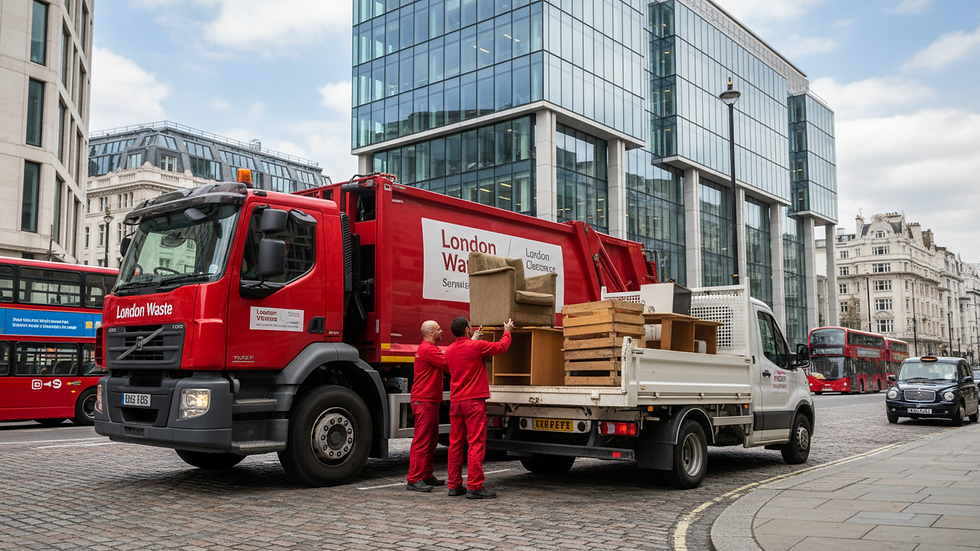
Types of Commercial Waste and How to Handle Them
Understanding the types of waste your business produces is the first step to effective management. Here are the common categories:
1. General Waste
This includes everyday rubbish like food scraps, packaging, and non-recyclable materials. It usually goes to landfill or incineration.
2. Recyclable Waste
Paper, cardboard, plastics, glass, and metals fall into this group. Recycling reduces landfill and saves resources.
3. Hazardous Waste
Some businesses produce hazardous waste such as chemicals, batteries, or electronic waste. These require special handling and disposal.
4. Construction and Demolition Waste
If your business involves building or renovation, you’ll have materials like bricks, concrete, wood, and metals to manage.
5. Organic Waste
Food businesses often generate organic waste that can be composted or processed into biogas.
Knowing your waste types helps you choose the right containers, collection schedules, and disposal methods. For instance, separating recyclables from general waste can reduce costs and improve recycling rates.
How to Choose the Right Waste Removal Service
Finding a reliable waste removal company is key to smooth waste management. Here are some tips to help you pick the best service:
Check Licensing and Compliance
Make sure the company is licensed by the Environment Agency and follows all legal requirements. This protects you from liability.
Look for Local Expertise
A company familiar with London’s waste regulations and routes can offer better service and faster collection.
Ask About Recycling Rates
Choose a provider that prioritises recycling and waste reduction. This supports your sustainability goals.
Consider Flexibility and Convenience
Your waste needs may change, so find a service that offers flexible collection times and container sizes.
Read Reviews and Get Recommendations
Feedback from other businesses can give you insight into reliability and customer service.
Transparent Pricing
Look for clear pricing without hidden fees. Some companies offer flat rates, while others charge based on volume or weight.
By following these steps, you can avoid common pitfalls and ensure your waste is handled responsibly.

Practical Tips for Managing Business Waste Efficiently
Managing waste well requires more than just hiring a service. Here are some practical tips to keep things running smoothly:
Train your staff on waste sorting and disposal procedures.
Use clear signage on bins to avoid contamination.
Schedule regular waste audits to identify problem areas.
Reduce waste at the source by choosing reusable or minimal packaging.
Keep waste areas clean and secure to prevent pests and accidents.
Plan for seasonal changes in waste volume, especially in retail or hospitality.
Communicate with your waste provider to adjust services as needed.
For example, a retail store might reduce plastic bag use and encourage customers to bring reusable bags. An office could switch to digital documents to cut paper waste. These small changes add up and make waste management easier.
Why Choose Polish Waste Movers for Your Waste Needs
When it comes to waste removal in London, convenience and reliability are everything. That’s why I recommend considering services like Polish Waste Movers. They aim to be London’s most convenient and reliable choice for waste removal, making property clearance simple and stress-free for both residential and commercial clients.
Whether you need regular waste collection or a one-off clearance, they offer flexible options tailored to your business. Their team understands the importance of compliance and sustainability, helping you meet your waste management goals without hassle.
If you want to learn more about professional options, check out commercial waste management london for detailed services and pricing.
Taking the Next Step in Waste Management
Managing business waste in London doesn’t have to be overwhelming. With the right knowledge and support, you can keep your premises clean, comply with regulations, and contribute to a greener city.
Start by assessing your waste types and volumes. Then, choose a trusted waste removal partner who fits your needs. Remember, good waste management is an ongoing process that benefits your business, your community, and the environment.
If you’re ready to simplify your waste removal and enjoy peace of mind, explore your options today. Clean spaces lead to better business and a healthier London for all of us.


Comments